Signature desk
The three-point linkage
MERL’s TE20 label says Harry Ferguson devised a system for hydraulically attaching implements to the back of a tractor, and that this hydraulic three-point linkage remains the basis of modern tractor design.
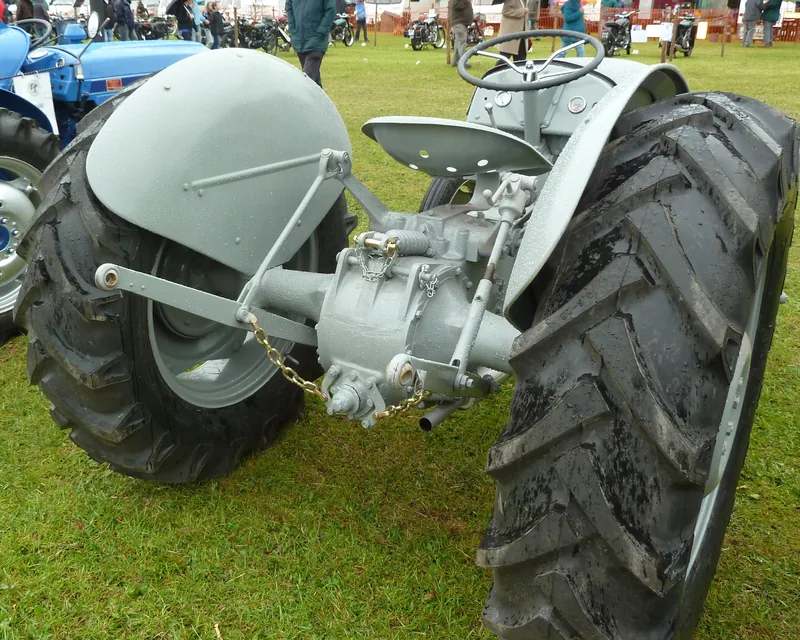
The three-point linkage is the system that made a tractor more than a machine that merely pulled. This desk keeps official museum wording unblended, and it is not a workshop guide.
The Museum of English Rural Life’s label on its Ferguson TE20 (object 80/68) says Harry Ferguson, “an inventor and engineer from Northern Ireland, devised a revolutionary new system for hydraulically attaching implements to the back of a tractor.” [source]
In that way, the label continues, “the depth of working could be controlled automatically, the forces were distributed more evenly through the vehicle, and the tractor was transformed from a mere mechanical horse into an effective field machine.” [source]
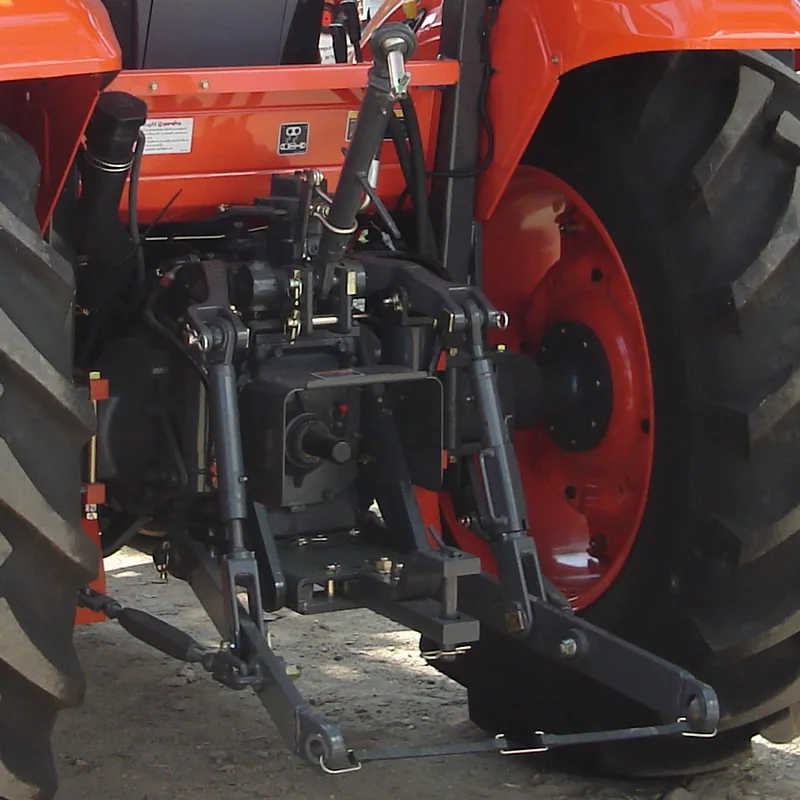
The same label ends: “The hydraulic three point linkage for attaching implements remains the basis of modern tractor design.” [source]
A MERL gallery guide for the Model Farming display, writing about the same TE20, says: “TE stood for Tractor England (MERL 80/68).” [source]
The object label on that tractor says production was switched to England in 1946, under the Ferguson name, and that the result was the classic ‘grey Fergie’, the TE20. [source]
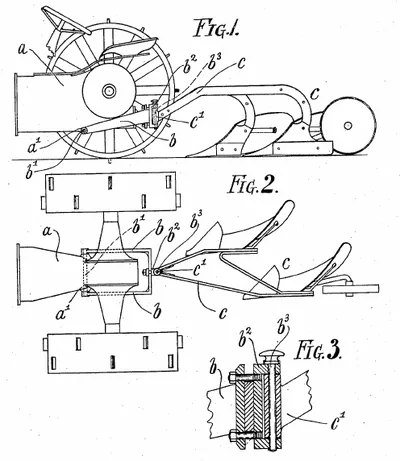
MERL also holds a Ferguson demonstration model, object 2014/16/1-8, dated circa 1949–1951. The museum’s catalogue says the model “was designed to demonstrate how the innovative three-point linkage technology on Ferguson tractors worked,” and that the mechanism “featured on the iconic TE-20 tractor or ‘little grey Fergie’ and made for a vehicle that was more stable and adaptable.” [source]
The same catalogue entry says models like this let Ferguson agents show the advantage of the ‘Ferguson System’ without a full-scale demonstration; the box doubled as a demonstration track; and the clockwork mechanism “propelled the tractor forward, revealing the difference between older-style ploughs and those designed to operate with the new linkage.” [source]
MERL notes that this particular example was used by a company called ‘Tractors Bath’, and that it was later partly overpainted, probably to look like a Massey Ferguson 35, a tractor introduced in 1957. [source]
The University of Nebraska–Lincoln’s Digital Commons record for Nebraska Tractor Test 392 is titled “Test 392: Ferguson Model TE-20” and dated January 1948. [source]
The official abstract on that record says tractors tested at the laboratory “were certified by their manufacturers as being stock model machines,” that “no special or high-test fuels were used except as recommended by the manufacturer as necessary,” and that “all results within the official tractor test report were actually attained in tests and are without correction or allowances for friction, temperature, altitude, etc.” [source]
This desk names that official test and quotes only the laboratory’s own description of how official reports were made. It does not repeat horsepower or drawbar figures from later unofficial summaries.
This desk is not a workshop manual, and it will not tell you how to set up a modern hitch. It does not treat a later rally photograph as a 1940s working scene. It does not blend MERL’s English museum wording with Nebraska’s 1948 American laboratory test, or with Parliamentary tractor totals, as if they were one measurement.
Three quick checks
Each answer is taken from the official wording on this desk.
According to MERL’s Model Farming gallery guide, TE in TE20 stood for:
On MERL’s TE20 label, what did Harry Ferguson’s system do?
What does that MERL label say about the hydraulic three-point linkage today?
The farmyard hub has a different desk, Horse, steam or tractor?, built on official horse and tractor counts. This page stays with the linkage itself.
Enjoyed the tractor?
No pop-ups. No intrusive advertising. Just interesting stuff. A little support helps the next farmyard site get built.